Service 1 Image
Carpet Laying

Carpet laying is a meticulous process that involves more than just rolling out the carpet. It begins with thorough preparation of the subfloor, ensuring it is clean, dry, and free from any debris or imperfections that could affect the carpet's appearance and longevity. This preparation phase may include leveling uneven surfaces and applying appropriate moisture barriers to prevent future issues such as mold or mildew.

Once the subfloor is ready, carpet installers carefully measure and cut the carpet to fit the space precisely. This step is crucial to ensure a seamless finish and minimize waste. Modern techniques and tools allow for precise cutting, even around corners and obstacles, ensuring a professional appearance.

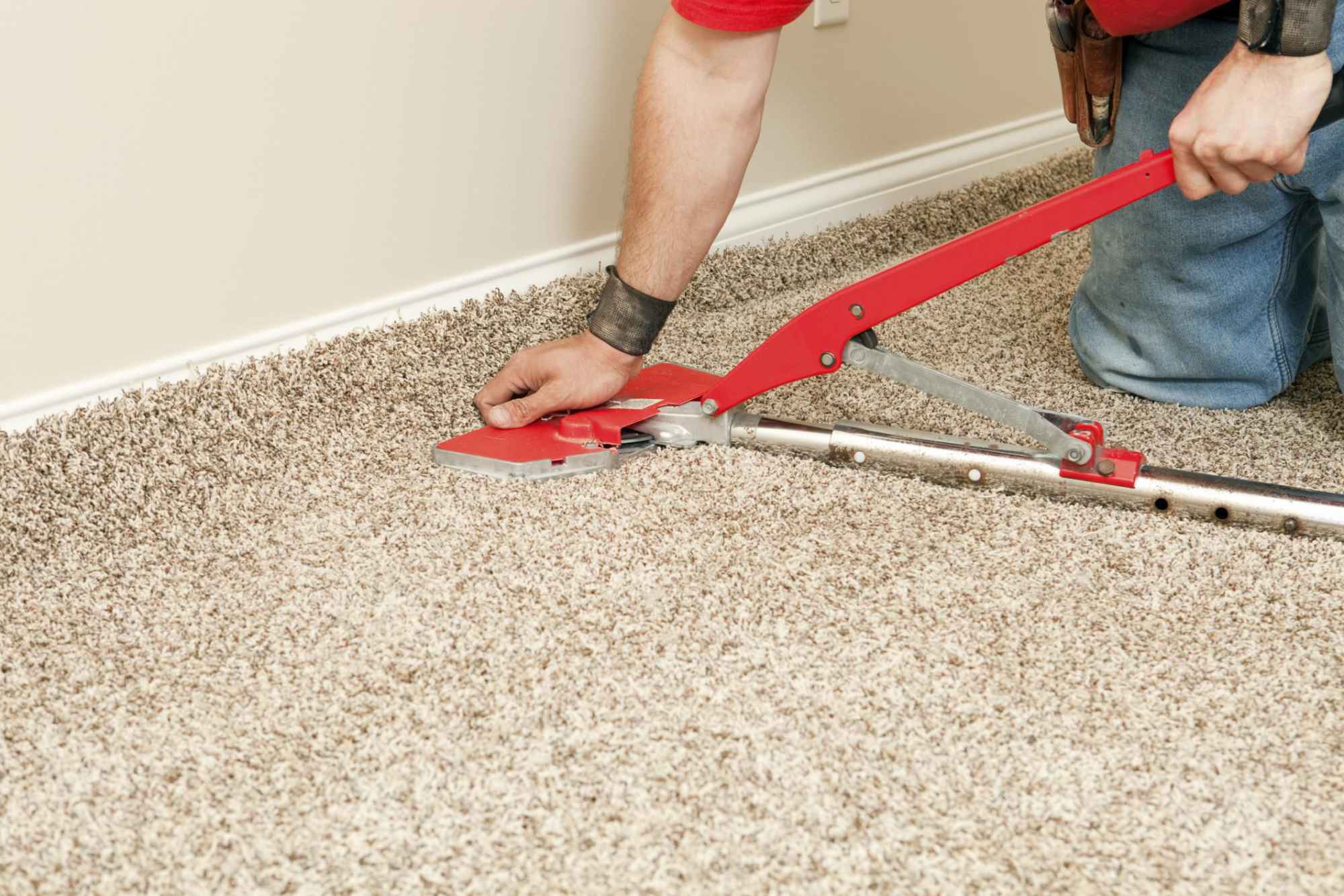
After cutting, the carpet is then stretched and secured using specialized tools such as a power stretcher. Stretching is vital as it prevents wrinkles and ensures the carpet lays flat against the floor, providing a smooth and uniform surface. Experienced installers know the right amount of tension to apply to avoid overstretching, which can lead to premature wear and tear.

Following stretching, the edges of the carpet are meticulously trimmed to fit precisely against walls and around any architectural features. This trimming requires precision and attention to detail to achieve clean, straight lines and ensure a polished look. Properly trimmed edges not only enhance the appearance of the carpet but also contribute to its durability over time.

Service_2
Hybrid Flooring

Hybrid flooring represents a modern innovation in flooring technology, blending the best attributes of laminate and vinyl flooring to create a durable and stylish option for residential and commercial spaces alike. At its core, hybrid flooring features a rigid core made from a composite material that enhances stability and resilience against impacts, moisture, and temperature changes. This core is typically constructed from materials like limestone, PVC, and recycled wood fibers, engineered to withstand the rigors of daily use while maintaining its structural integrity.

One of the standout features of hybrid flooring is its waterproof nature, making it an ideal choice for areas prone to moisture, such as kitchens, bathrooms, and basements. This waterproof core prevents water penetration, reducing the risk of warping, swelling, and mold growth that can occur with traditional hardwood or laminate flooring.

In addition to its water-resistant properties, hybrid flooring is known for its ease of installation. Many hybrid products come with click-lock installation systems, allowing planks to be securely and seamlessly locked together without the need for adhesives. This feature not only simplifies the installation process but also reduces installation time and labor costs, making hybrid flooring a practical choice for both DIY enthusiasts and professional installers.

Service_3
Carpet Tiles

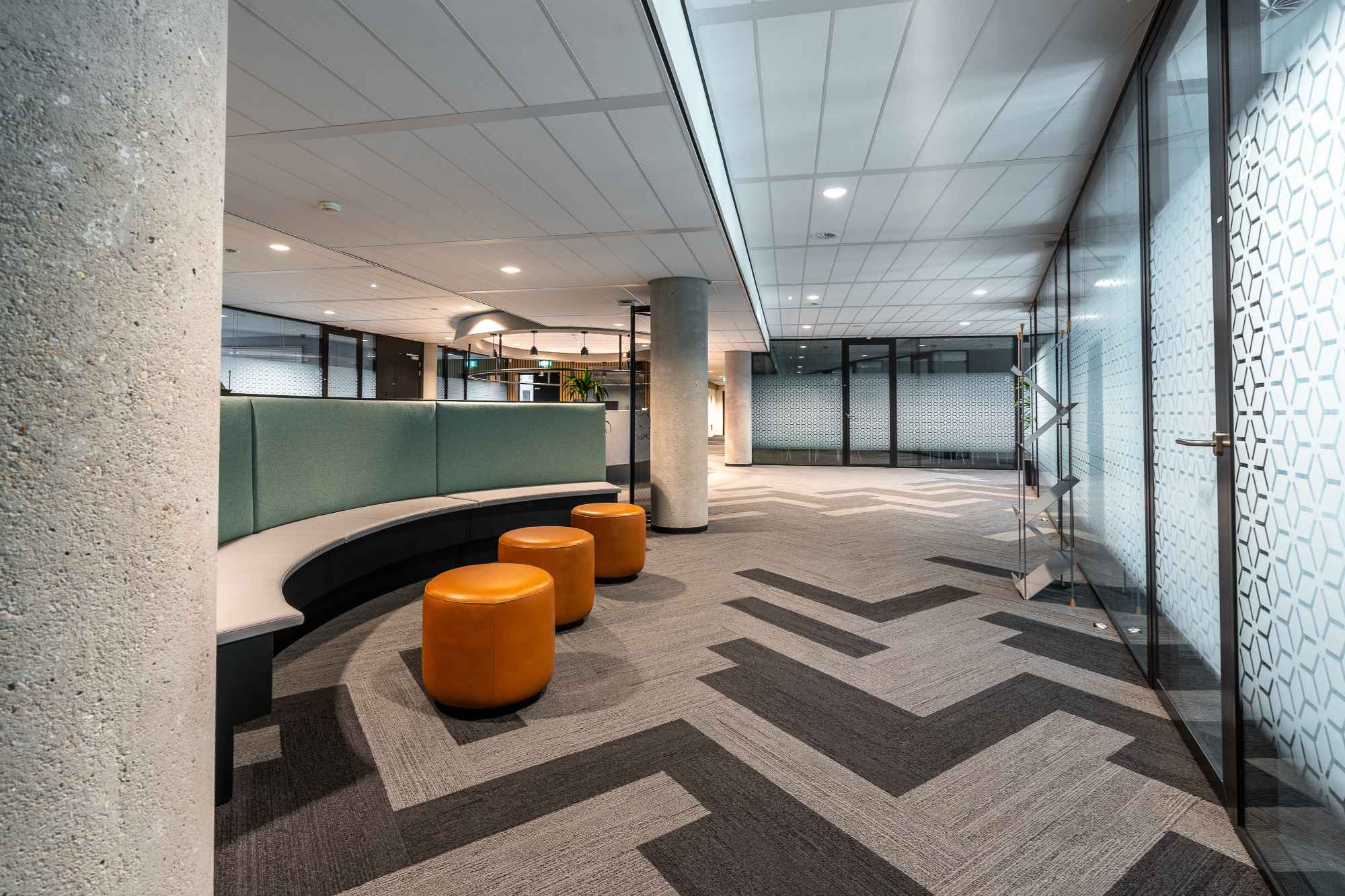
Carpet tiles, also known as carpet squares or modular carpet, are a versatile and practical flooring option suitable for both residential and commercial environments. Unlike traditional rolled carpet, carpet tiles are individual pieces of carpet that typically measure around 18 inches by 18 inches or 24 inches by 24 inches. This modular design offers several advantages that make carpet tiles a popular choice in modern interior design and flooring solutions.

One of the key benefits of carpet tiles is their ease of installation. Unlike broadloom carpet, which requires extensive preparation and often professional installation, carpet tiles can be installed quickly and easily by almost anyone. They usually come with a peel-and-stick adhesive backing or a simple interlocking system, eliminating the need for glue or nails. This not only simplifies the installation process but also allows for easy replacement of damaged tiles or reconfiguration of the layout as needed.

Another advantage of carpet tiles is their design flexibility. They come in a wide range of colors, patterns, and textures, allowing for creative mix-and-match combinations to suit various décor preferences and interior styles. This flexibility makes carpet tiles a versatile choice for creating custom designs, accentuating specific areas, or adding visual interest to a space.

Service_4
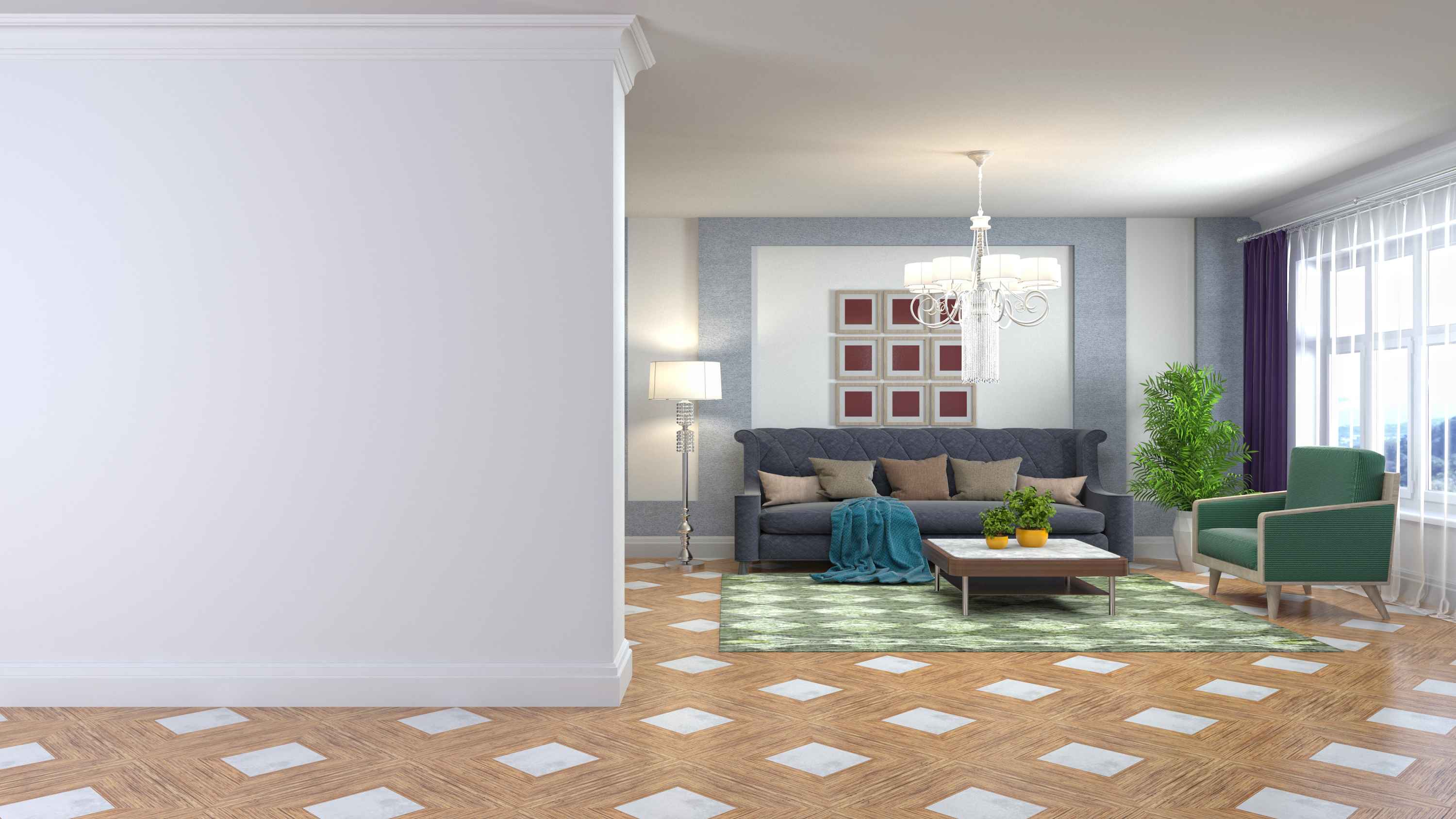
Residential Service

Residential services encompass a diverse array of offerings designed to cater to the needs of homeowners, enhancing both the functionality and aesthetic appeal of their living spaces. These services are essential for maintaining a comfortable and well-maintained home environment. One of the primary categories within residential services is cleaning. This includes regular cleaning tasks like vacuuming, dusting, and bathroom sanitation, as well as more specialized services such as carpet cleaning or deep cleaning before or after special events or seasons.

Maintenance services are another crucial aspect of residential care. These services cover a broad spectrum, including HVAC maintenance to ensure heating and cooling systems operate efficiently, plumbing repairs to address leaks or blockages, and electrical services for troubleshooting and repairs. Additionally, maintenance services extend to appliance repairs and upkeep, ensuring essential household devices like refrigerators, washers, and dryers remain in optimal working condition.

Landscaping and gardening services focus on outdoor spaces, encompassing tasks like lawn mowing, garden maintenance, and tree trimming. These services not only enhance the curb appeal of a home but also contribute to creating a pleasant outdoor living environment for homeowners and their families.

Service_5
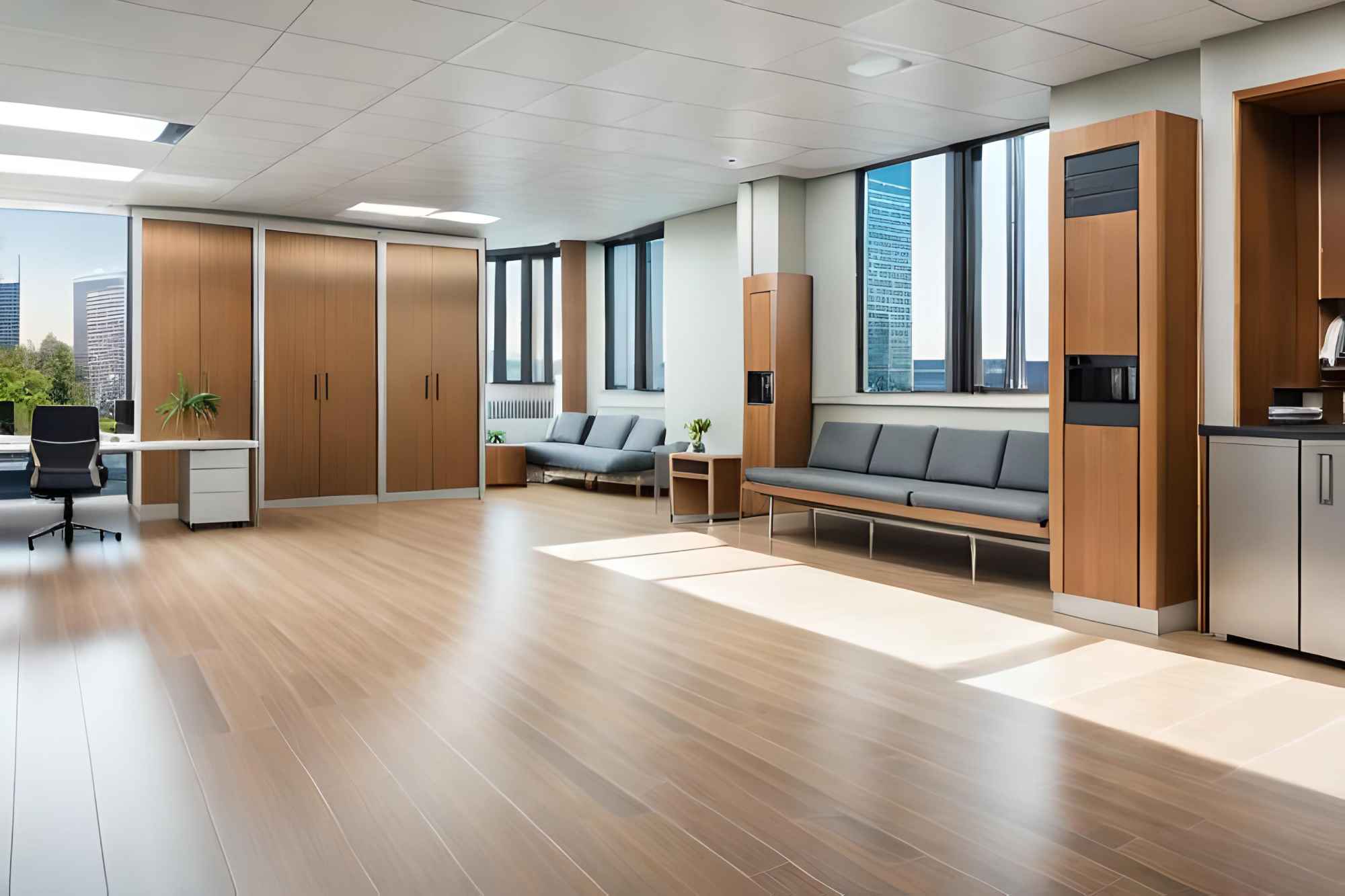
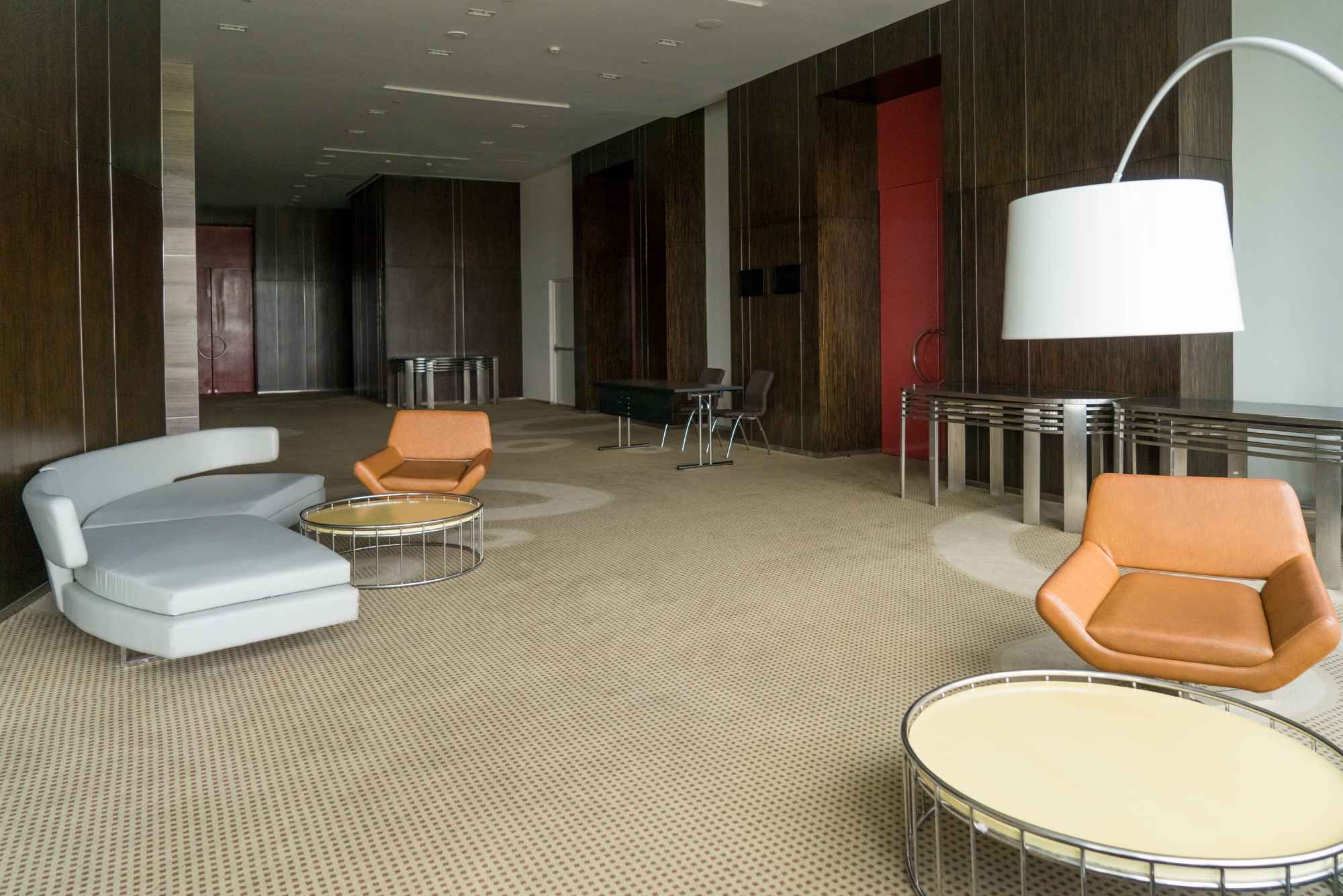
Commercial Service

Commercial services encompass a broad spectrum of offerings tailored to meet the needs of businesses and commercial properties. These services are essential for maintaining operational efficiency, enhancing safety, and creating a professional environment conducive to business activities. One of the primary categories within commercial services is janitorial and cleaning services. These services include regular cleaning of offices, retail spaces, and commercial buildings to ensure cleanliness, hygiene, and a welcoming atmosphere for employees, clients, and visitors alike.

Maintenance services are crucial for the upkeep and functionality of commercial properties. This category includes HVAC maintenance to regulate indoor climate control, plumbing services to address leaks or plumbing emergencies, and electrical repairs to ensure continuous power supply and safety. Regular maintenance helps prevent costly downtime and ensures a safe environment for occupants.

Security services are another critical component of commercial services, encompassing the installation and monitoring of security systems such as CCTV cameras, access control systems, and alarms. These services help protect businesses from theft, vandalism, and unauthorized access, enhancing overall security and peace of mind for business owners and employees.

Service_6
New Carpet Installation

New carpet installation involves a series of meticulous steps aimed at transforming a space with fresh, durable flooring. It begins with careful planning and measurement to ensure accurate coverage and minimal waste. Professional installers assess the area's layout, taking into account any architectural features, doorways, and transitions between rooms.

Preparation of the subfloor is crucial for a successful installation. This step involves cleaning the subfloor of any debris, leveling uneven surfaces, and addressing moisture issues to prevent future damage. Moisture barriers may be applied to protect the new carpet from potential water damage, particularly in areas prone to humidity or moisture.

Next, carpet padding is installed to enhance comfort and extend the carpet's lifespan. The padding provides cushioning underfoot, absorbs impact, and helps insulate against sound and temperature variations. It also acts as a buffer between the carpet and subfloor, contributing to a smoother and more durable installation.

Once the subfloor and padding are prepared, the carpet itself is carefully cut and laid out according to the room's dimensions. Installers pay special attention to seams and patterns, ensuring a seamless appearance and uniform texture throughout the installation area. Modern installation techniques allow for precise cutting and fitting around corners and obstacles, maintaining a professional finish.